The Naval Jack of the Continental Navy
Vexillology is rarely decorative. Flags are compressed political theory: assertions of authority, declarations of allegiance, and at certain historical moments formal refusals to submit.
Few banners embody that function more clearly than the early naval jacks of the American Revolution, flown not from lofty staffs but from the bows of ships that existed for a single purpose: resistance.
What is a Naval Jack?
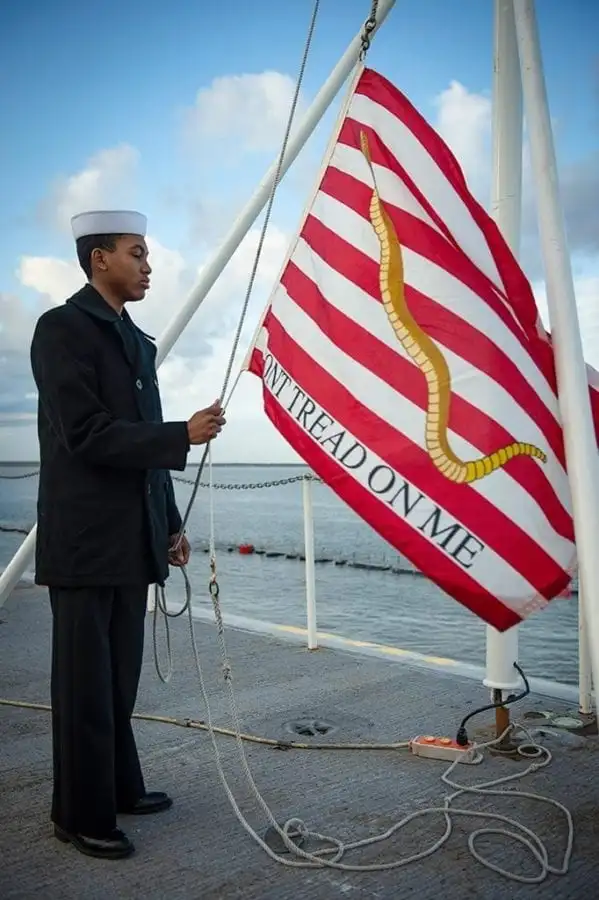
A naval jack is a flag flown at the bow of a warship when the vessel is moored or at anchor. Unlike ensigns, which identify nationality at sea, the jack historically signaled ownership, intent, and jurisdiction within port. In the eighteenth century, when naval combat and commerce were inseparable, the jack was a declaration to friend and adversary alike: this ship belongs to a sovereign power, and it will not yield its authority lightly.
For the rebelling colonies, this posed an immediate problem. They possessed no recognized sovereignty, no crown, and no lawful navy under British doctrine. Yet they required ships, crews, and symbols capable of asserting legitimacy while openly denying British rule. The naval jack became the ideal vehicle for that contradiction.
The Continental Navy and the United Colonies (1775–1776)
When the Continental Navy was authorized in October 1775, the polity it served was not yet the United States of America, but the United Colonies of America—a coalition in armed resistance rather than a formally declared nation. Its naval symbols reflect that liminal status.
Early jacks and flags associated with the Continental Navy emphasized unity and defiance rather than centralized authority. The most potent of these symbols was the rattlesnake: indigenous, defensive rather than predatory, and famously unwilling to strike unless provoked. Benjamin Franklin had already popularized the rattlesnake as a political metaphor, contrasting it with the heraldic lions of monarchy. The message was unambiguous: we do not seek conflict, but we will answer coercion with force.
Some Continental naval flags featured a coiled rattlesnake paired with the motto “DON’T TREAD ON ME.” Others incorporated thirteen alternating red and white stripes, representing the colonies acting in concert. Whether flown as jacks or ensigns, these flags rejected British heraldry entirely. There were no crowns, no crosses of St. George or St. Andrew—only symbols of collective resistance.
From United Colonies to United States (1776–1785)
With the Declaration of Independence in July 1776, the political meaning of the naval jack sharpened. The rebellion was no longer defensive petitioning but open secession. The Continental Navy—and later the Confederation Navy—required symbols that asserted continuity with earlier resistance while acknowledging the emergence of a new sovereign state.
During this period, the striped motif became increasingly central. Thirteen stripes, unbroken and equal, visually asserted that no colony stood above another. This stood in stark contrast to British imperial hierarchy, where authority flowed downward from Parliament and Crown.
The rattlesnake remained in use, especially in naval contexts, because it communicated something the stars could not: hostility to tyranny. Where stars suggest aspiration and order, the snake warns intruders. For ships tasked with disrupting British supply lines and engaging the world’s most powerful navy, the warning was deliberate.
The Thirteen-Striped Naval Jack: Design and Proportion
The original striped naval jacks of the Revolutionary period were not standardized. Dimensions varied by sailmaker, availability of cloth, and ship size. Proportions were practical, not ceremonial. Modern retrofitting therefore requires interpretation rather than replication.
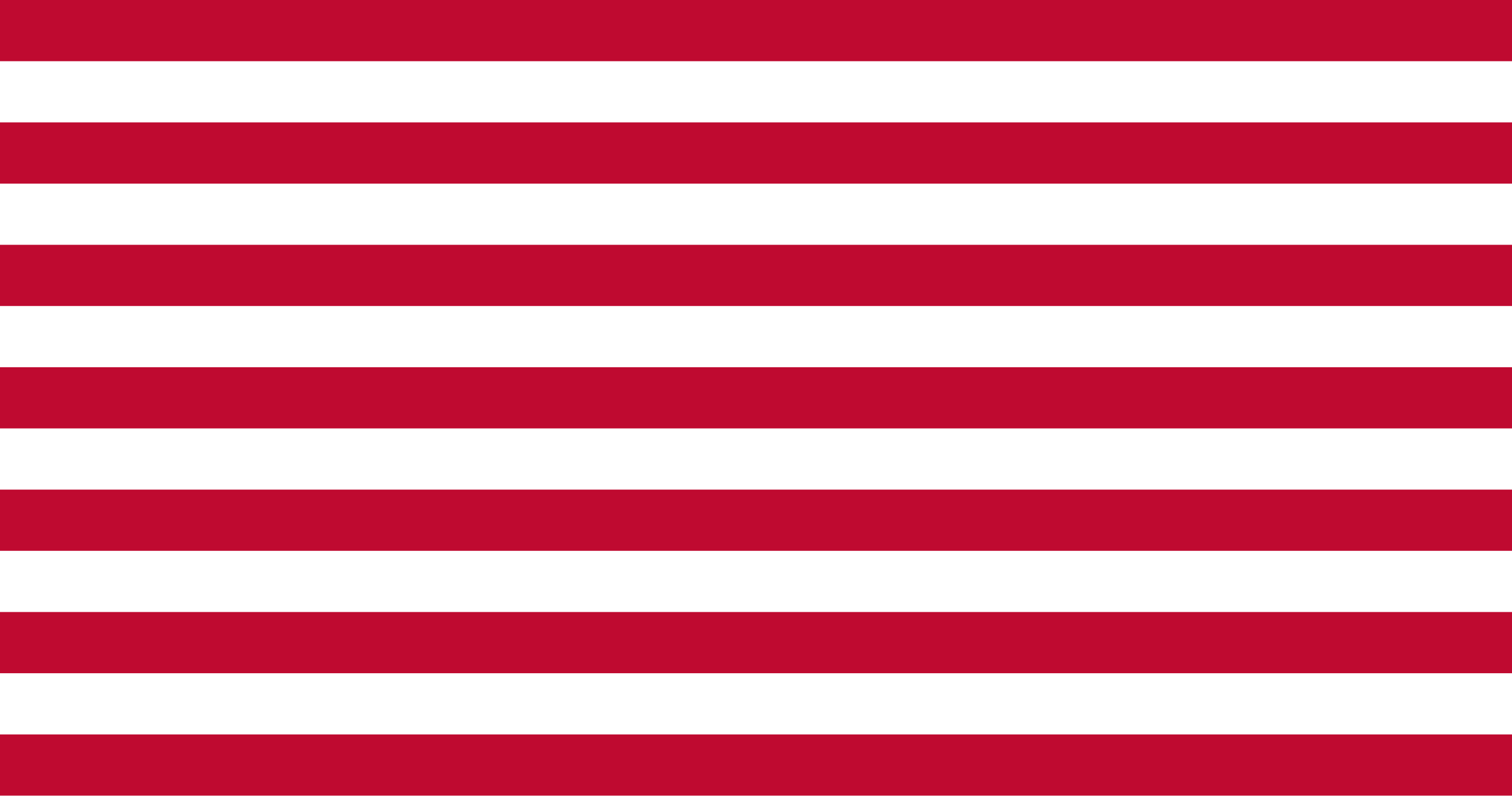
Adapting the thirteen-striped jack to the modern 1:1.9 aspect ratio—the standard ratio of United States flags—allows historical symbolism to coexist with contemporary naval practice.
In this retrofit:
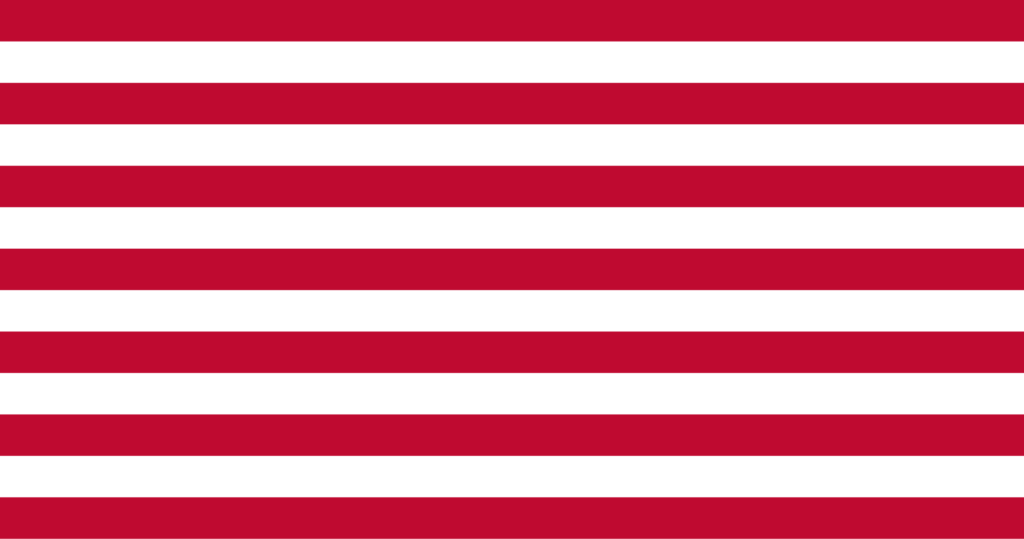
- Thirteen horizontal stripes alternate red and white, beginning and ending with red, preserving Revolutionary convention.
- No canton is present. The absence of stars reinforces the flag’s earlier chronology and emphasizes collective resistance rather than federal consolidation.
- Color saturation favors deep naval red and weathered white, avoiding the later brightness associated with nineteenth-century mass production.
- Proportion stretches the stripes horizontally without altering their count or sequence, maintaining symbolic integrity while conforming to modern display norms.
When paired with the rattlesnake emblem or motto as an optional central charge, the flag becomes unmistakably anti-imperial rather than merely antiquarian.
Anti-Tyranny as a Foundational Naval Doctrine
What distinguishes the early American naval jack from European counterparts is not aesthetics but ideology. British naval flags signified authority granted by the Crown. The Continental naval jack signified authority seized by necessity.
These flags were flown by sailors who understood that capture meant hanging, not imprisonment. They marked ships that England labeled pirates and traitors. To hoist such a banner was to declare, publicly and irrevocably, that reconciliation under British rule was no longer acceptable. This is the very definition of a pirate.
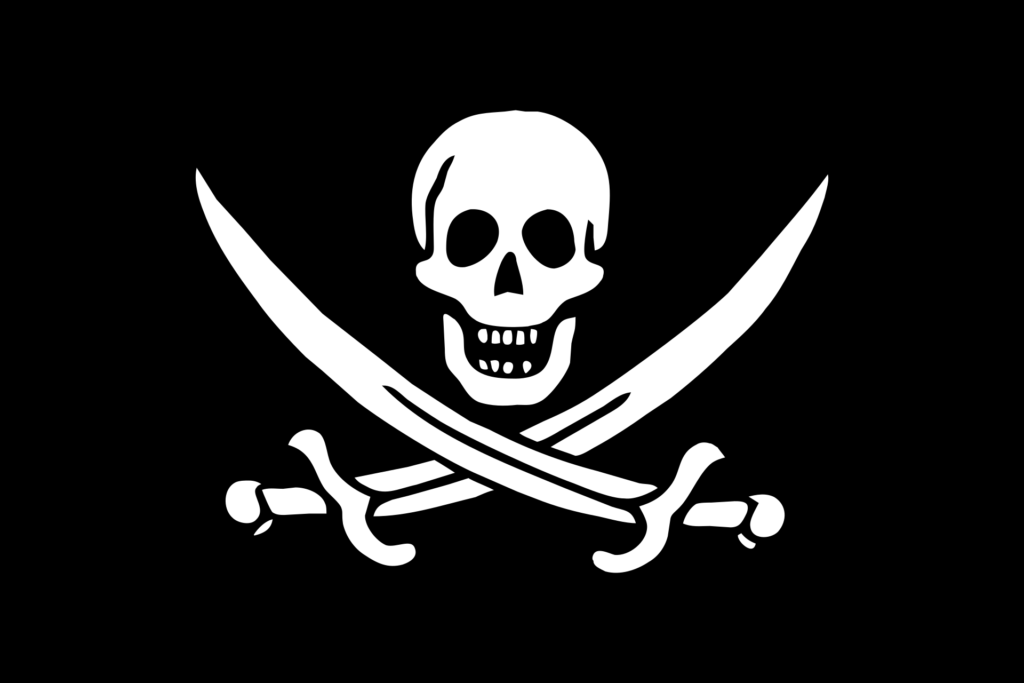
In that sense, the naval jack of the Revolutionary era was not simply patriotic—it was insurgent. It announced that tyranny had forfeited legitimacy, and that resistance, even at sea, had become a moral obligation.
Conclusion
The early naval jacks of the United Colonies and the United States were tools of political warfare. They asserted unity without monarchy, authority without permission, and resistance without apology. Retrofitted to modern proportions, the thirteen-striped naval jack remains what it was in 1775: a declaration that liberty is not granted from above, but defended—sometimes from the bow of a ship, facing an empire.